Beyond All-Black: The Cool-Girl Color Rules for Edge Without the Uniform
All-black is cool’s default uniform and its comfort zone — while the actual cool-girl color canon is wider: the olives, oxbloods, grays and whites worn with the same edge. The beyond-black guide: the audit, the palette and the styling.
The All-Black Audit
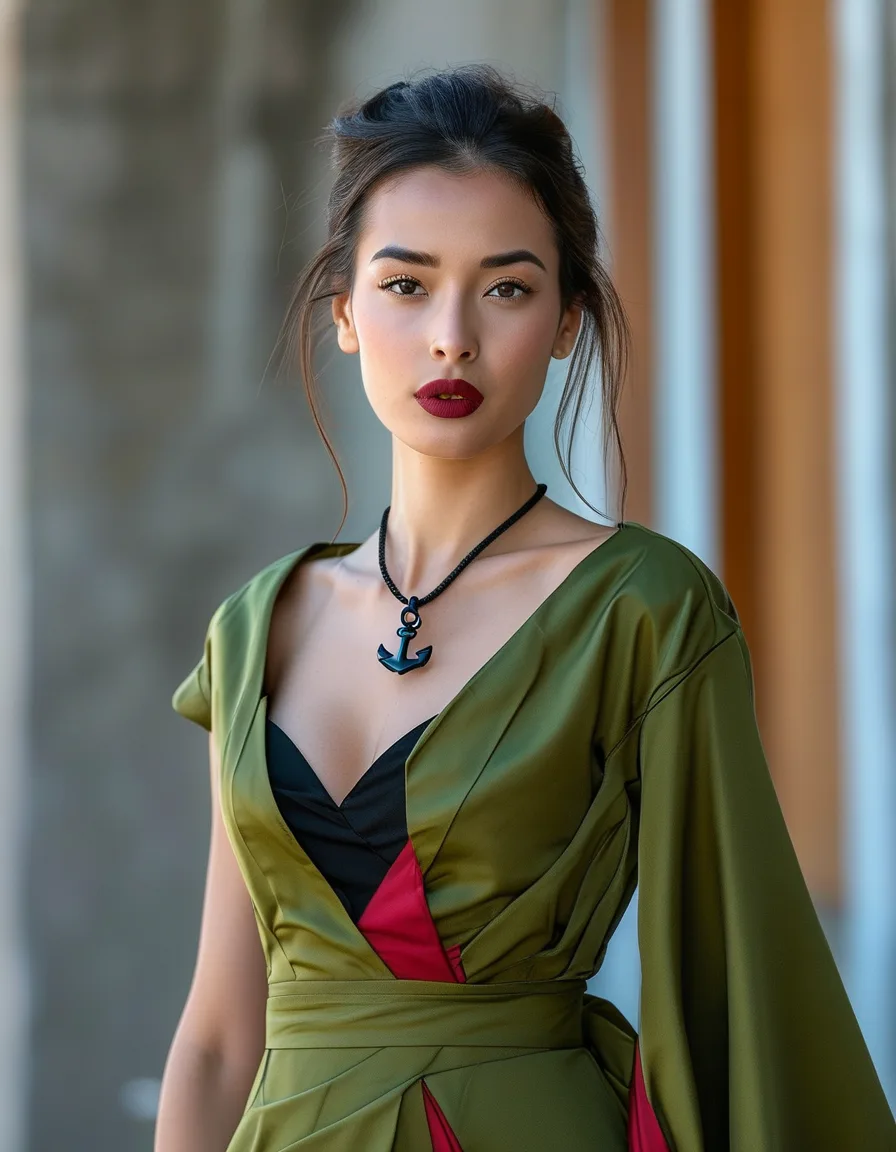
The uniform examined: the black’s genuine powers (the instant cohesion, the edge inheritance, the decision-freedom per the uniform logic — the all-black summer honesty per the black-summer logic), the rut symptoms (the black-by-default versus black-by-choice distinction — the closet census from the inventory logic; the flatness risk per the texture logic), the coloring interaction (the black’s harshness on some faces per the palette logic — the near-face softening options; the charcoal-and-ink alternatives per the gray logic), and the expansion case (the color worn with edge reading MORE confident than the uniform — the deliberate departure per the statement logic; the black kept as the anchor, not the everything).
The Cool-Color Palette
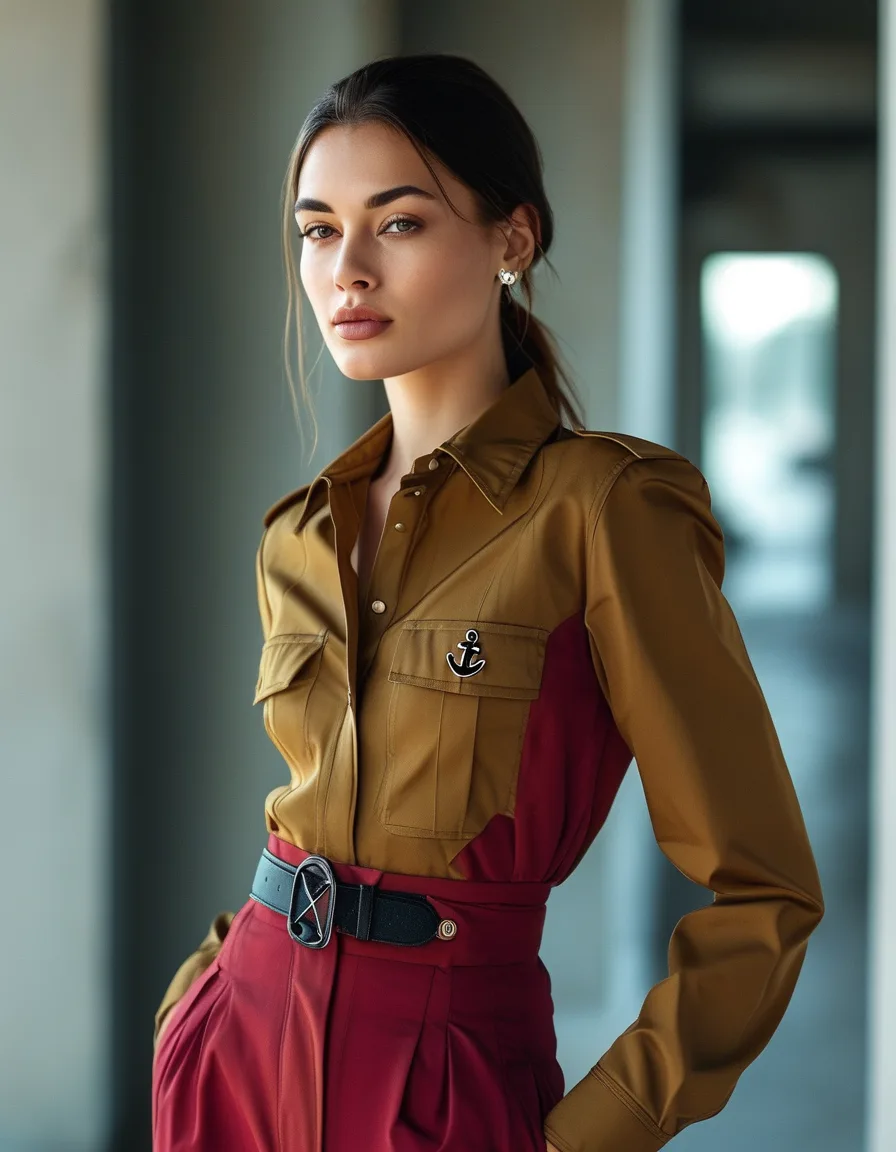
The canon beyond black: the olive-and-army greens (the utility inheritance per the cargo logic — the black’s earthy cousin; the olive-and-black tonal-dark pairing), the oxblood-and-burgundy (the leather-jacket color per the leather logic — the dark-romantic edge; the near-black depth with warmth), the charcoal-and-gray spectrum (the tonal grays from the gray logic — the softened uniform), the white-and-cream sharp (the all-white worn with edge per the white logic — the black’s inverse with the same cohesion), the washed-and-faded tier (the faded black, the gray-washed denim — the lived-in cool per the vintage logic), the denim blues (the raw-and-washed indigo canon per the denim logic), and the neon-and-acid accents (the single loud note against the dark — the sport-sock or beanie pop per the accent logic; the dose discipline).
The Color-With-Edge Styling
Keeping the cool: the silhouette constant (the edge living in SHAPE more than shade — the oversized, the moto, the strong shoulder per the silhouette logic; the cool cuts in any color), the black-anchor method (the color introduced against black anchors — the olive coat over black everything; the one-color-at-a-time expansion per the gradual logic), the texture edge (the leather-hardware-and-washed textures carrying attitude in any hue per the texture logic), the tonal-dark columns (the olive-column and oxblood-column monochromes from the monochrome logic — the uniform’s spirit in new shades), the attitude constant (the styling details doing the cool — the pushed sleeves, the undone hair per the undone logic, the sunglasses per the frames logic; the edge being worn, not dyed), the graphic-and-band-tee bridge (the vintage tee introducing color-and-print per the band-tee logic), and the closing frame (the uniform expanded, not abandoned — the black anchoring, the canon colors rotating, the edge intact; the cool, freed from the single shade). Black as anchor, olive-oxblood-gray as the canon, edge in the silhouette: the uniform, expanded.
The cool-girl canon is wider than black: olive, oxblood, charcoal, sharp white and washed indigo all carry the same edge — because edge lives in silhouette, texture and attitude, not the shade. Expand gradually with black as the anchor (olive coat over black everything), build tonal-dark columns in the new colors, and keep the styling details — pushed sleeves, undone hair — doing the cool.
Keep Reading
This article is for general styling and informational purposes only. Trends, sizing, availability and pricing may vary by brand and season.